As we strive to become more environmentally conscious, organic waste management in homes has gained significant attention both as a means to reduce waste and promote sustainable living.
We are committed to supporting sustainable agriculture and soil regeneration across Nigeria.
We follow a controlled and environmentally responsible process to convert organic waste into nutrient-rich compost:
Organic waste is collected from households, farms, markets, food processors, and commercial partners.
Non-organic contaminants are removed to ensure clean, high-quality feedstock.
Materials are processed through monitored composting systems that ensure pathogen reduction and nutrient preservation.
Finished compost is cured, tested, and prepared for agricultural and landscaping applications.
Residents without home composting systems can support community composting efforts by dropping off their compost at designated neighborhood drop-off points.
Drop-off points are located in public areas near markets and function as centralized food-waste collection points for waste generated by food suppliers. it represents the largest collection source.
The door-to-door collection program involves the direct collection of organic waste from households using clearly designated bins intended for food waste
Buyback program incentivizes people to return organic materials such as food scraps, garden waste in exchange for financial rewards, diverting them from landfills
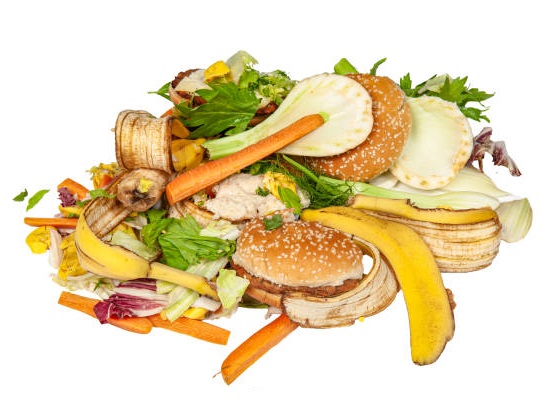
All edible food discarded at market place, stores, restaurants, and homes
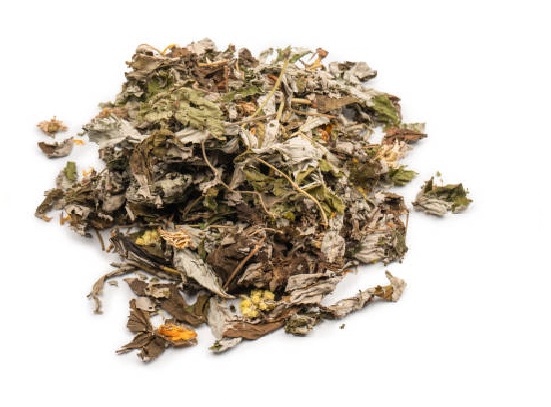
Grass clippings, flowers, weeds, fruit/vegetable scraps, tea bags and and other plant matter
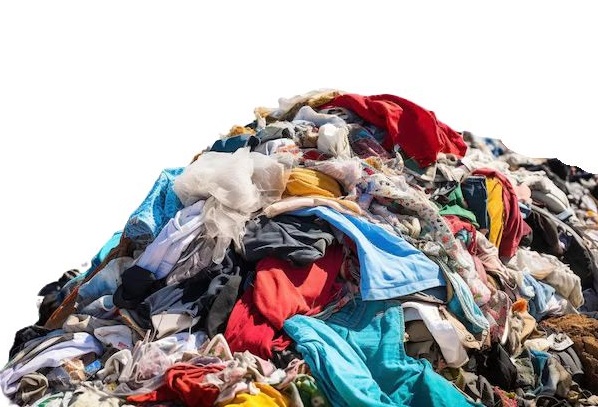
Organic Textiles waste are primarily from natural fibers like cotton wool, silk, and linen
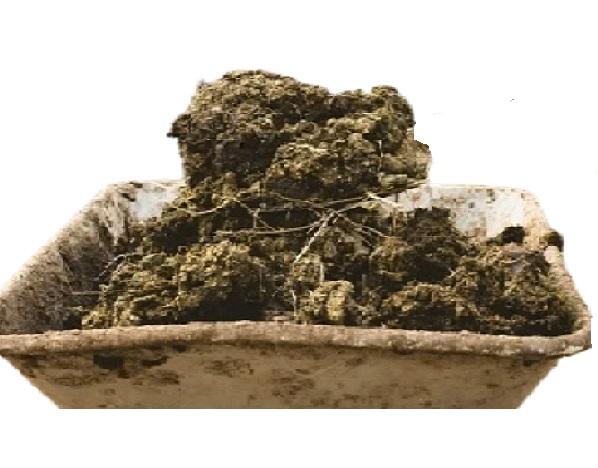
Animal waste is collected and processed into organic fertilizer to support soil regeneration